
PERMANENT TOOTH REPLACEMENT
Dental Implants
Need to Replace Missing Teeth? Take a Close Look at Dental Implants
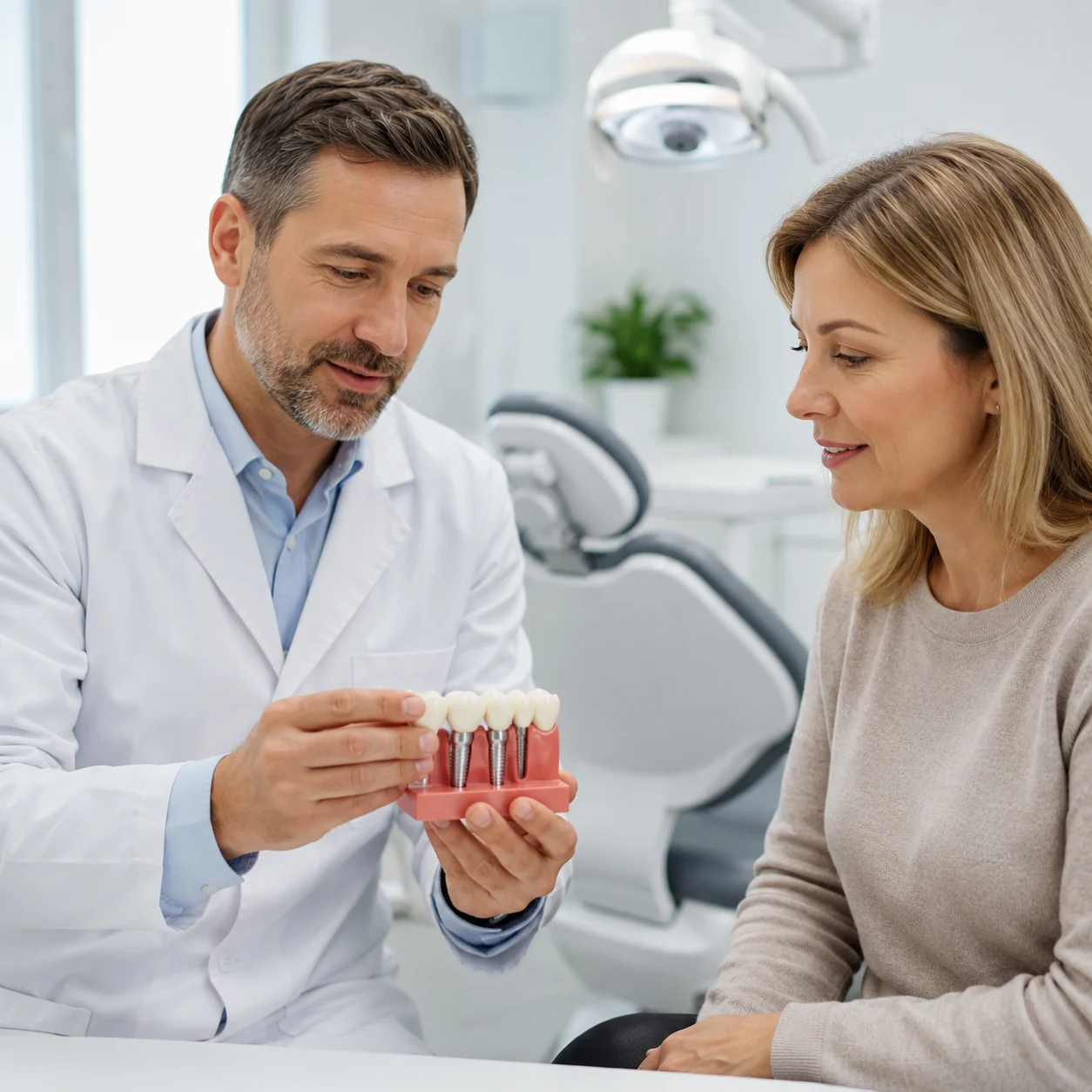
Regardless of how you lost your teeth – through an accident, untreated decay, or gum disease – you can restore your lovely smile with dental implants. Dental implants can give you back the look,
function, and feel of natural teeth to restore your confidence and self-esteem. Whether you’re replacing one tooth, several, or allof your teeth, there’s an implant treatment for you. A visit to Drs.
Doreen Wilson and John Hendricks from Covington Family Dentistry, Covington, Georgia, can determine if implant surgery is a good fit for you.
RESTORE YOUR SMILE
Why Choose Implants for Replacement Teeth
With implants, you get everything you could want from replacement teeth – a natural-looking appearance, durability, stability, and easy maintenance and care. When you replace missing teeth with
implants, you benefit from:
- A stable foundation for your new smile as implants are surgically embedded into your jaw and integrated into your bone system to form a permanent foundation for your replacement teeth
- Versatility as implants can replace individual teeth through single implants, multiple teeth through an implant-supported bridge, or an entire arch of teeth through all-on-four implant treatment
- The look and feel of natural teeth as your prosthetics are fully customized to resemble natural teeth’ size, color, and shape.
- Full tooth functionality when it comes to chewing, enabling you to enjoy all your favorite foods again
- Improved oral health as implants keep your teeth and bite in alignment and facilitate brushing and flossing to reduce your risk of oral infections and gum disease
- A strong, healthy jaw as implants act like tooth roots to stimulate bone growth to keep your jawbone from deteriorating
- Easy maintenance and care as implants only require daily brushing and flossing and routine dental cleaning to retain their health and beauty
THE PROCESS
How Dental Implants Work
Dental implant treatment is planned in stages. The exact sequence and timeline vary according to the number of missing teeth, bone condition, healing, and the type of restoration being used.
THE BENEFITS
Why Choose Implants for Replacement Teeth?
ONE TOOTH. SEVERAL TEETH. A FULL SMILE.
What Can Dental Implants Replace?
-
Single Missing Tooth
One implant can support a custom crown to replace a single missing tooth.
-
Several Missing Teeth
Implants can support a bridge when several neighboring teeth are missing.
-
Implant-Supported Bridge
An implant-supported bridge can replace multiple teeth without relying entirely on neighboring natural teeth for support.
-
Implant-Supported Denture
Dental implants can be used to improve the support and stability of selected removable or fixed full-arch restorations.
-
Full-Arch Implant Treatment
For patients missing all or most teeth in an arch, a strategically planned group of implants may support a full-arch prosthesis. The number and configuration of implants depend on the individual treatment plan.
BUILT FOR STABILITY. PLANNED FOR HEALING.
Dental implant treatment is not the same timeline for every patient. After implant placement, the surrounding bone typically needs time to heal and integrate with the implant before the final restoration is completed. Some patients may be candidates for a temporary or immediate restoration, while others need several months of healing. More complex cases involving extractions, bone grafting, multiple implants, or full-arch treatment can take longer.
IS AN IMPLANT RIGHT FOR YOU?
Who Is a Good Candidate for Dental Implants? Fast Braces?
Dental implants may be an option for many adults with missing teeth, but candidacy depends more on overall health, oral health, bone support, and healing ability than on age alone.
- You have one or more missing teeth that you want to replace.
- Your gums are healthy or periodontal disease is being appropriately managed.
- You have enough bone to support the planned implant, or your treatment plan can address a bone deficiency.
- Your medical history and medications are reviewed to determine whether surgery and healing are appropriate.
- You are willing to maintain excellent brushing, interdental cleaning, and regular professional follow-up.
- You understand that tobacco use and some health conditions can affect healing and implant outcomes.
Drs. Doreen Wilson and John Hendricks can evaluate your oral health, imaging, medical history, and tooth-replacement goals to determine whether implant treatment is appropriate.
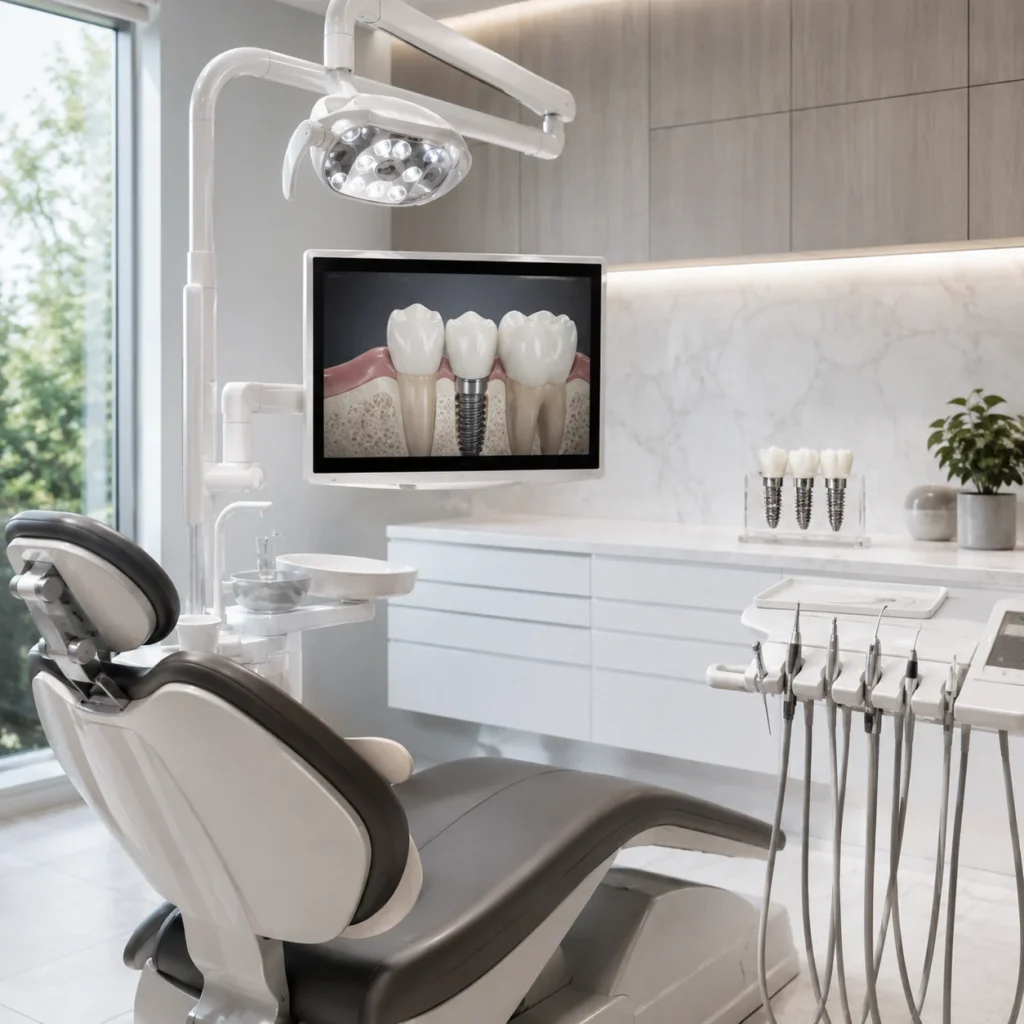
WHY CHOOSE COVINGTON FAMILY DENTISTRY?
Dental Implant Care Planned Around Your Complete Smile
Comprehensive Evaluation
We consider your missing teeth, bite, gum health, bone support, medical history, and restorative goals when planning treatment.
Restorative Options for Different Needs
Your treatment may involve a single crown, implant-supported bridge, denture support, or another appropriate replacement plan.
Compassionate, Family-Focused Care
Our team explains the treatment process, appliance care, and expected timeline so you know what to expect.
Long-Term Maintenance Guidance
Dental implants still require daily plaque control, routine dental care, and professional monitoring of the implant, surrounding gums, bone, and restoration.
PATIENT STORIES
What Our Patients Say
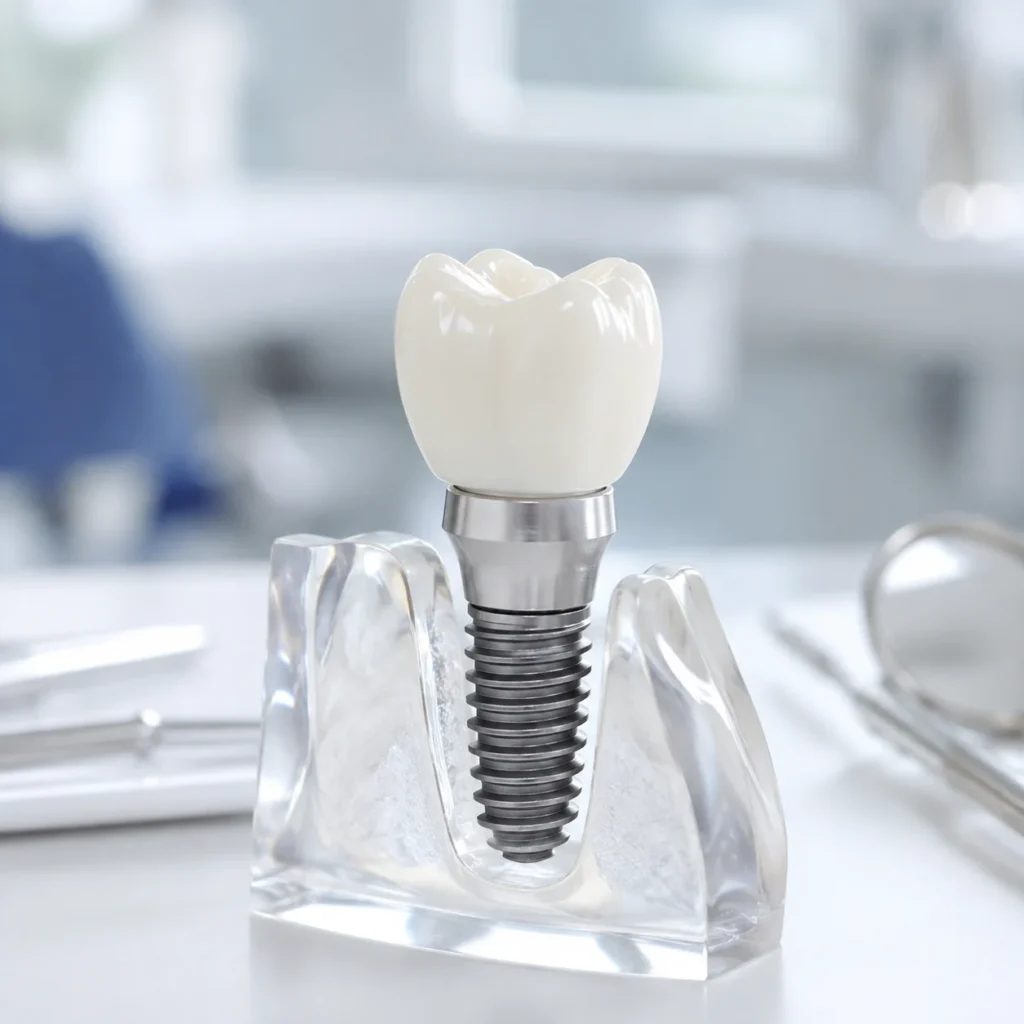
A dental implant is an artificial tooth root, commonly made from titanium or another biocompatible material, that is surgically placed in the jawbone to support a replacement tooth or teeth.
Treatment time varies. The implant may need several months to integrate with the bone before the final restoration is attached, while some cases can use a temporary or immediate restoration. Bone grafting, extractions, multiple implants, and more complex treatment can extend the timeline.
Yes. Implants can support a single crown, a bridge replacing several teeth, or selected full-arch restorations depending on the treatment plan.
Age alone does not determine candidacy. Your dentist considers general health, oral health, jawbone condition, medications, healing ability, and other clinical factors.
Implants do not develop cavities, but the gums and bone around them can develop inflammation or disease. Daily plaque control, cleaning around the restoration, regular dental visits, and professional monitoring remain important.
Each option has advantages and limitations. Implants are anchored to the jawbone, while traditional bridges depend on neighboring teeth and removable dentures rest on the gums or use other forms of support. Your dentist can compare the options based on your oral health, goals, anatomy, treatment time, and budget.
Related Articles
Dental Implant Related Resources
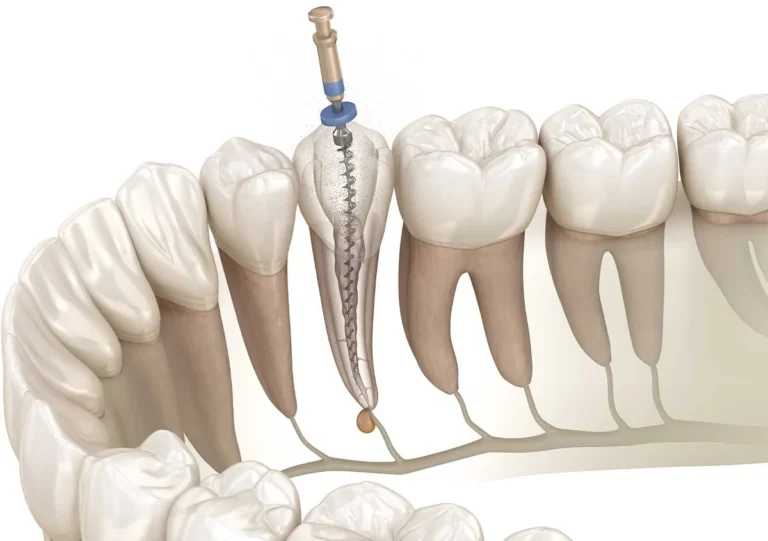
Once you get over the shock of losing natural teeth, it’s time to explore your options for treatment. At Covington Family Dentistry,…

Most people take life’s simple pleasures, like eating and speaking, for granted until they start to lose teeth. Then, you realize how…
Dental implants are an excellent solution for replacing missing teeth, offering a natural look and feel with long-term durability. But how long…