
ADVANCED DENTAL TECHNOLOGY
Digital X-Rays
Digital Dental X-rays Are Great Diagnostic Tools in Dentistry
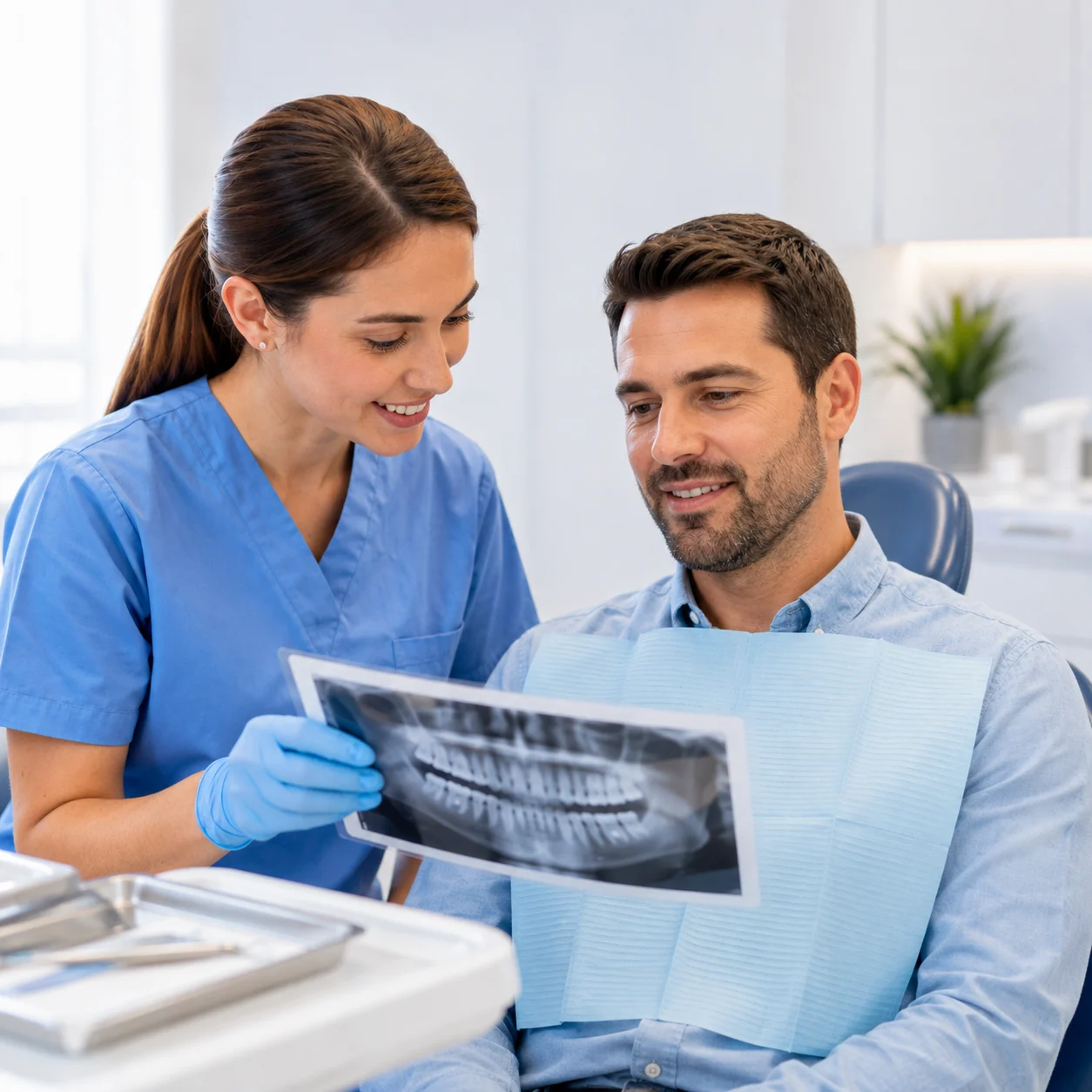
Dentistry is one field that’s never standing still. Now and then, new technologies are introduced for patients’comfort and convenience. At Covington Family Dentistry, we have invested in many of these modern equipment at our state-of-the-art dental office. Of the many dental technologies we have invested in, digital x-rays are an essential diagnostic tool we use to unearth issues beneath the surface of your smile.
SMARTER DIAGNOSTICS
The Era of Traditional X-Rays
Years back, conventional x-rays used to be the bread and butter of diagnostics in dentistry. Traditional x-rays provided dentists with pictures on a film of the interior structures of your teeth and gums.While conventional x-rays served their purpose then, they were time-consuming and emitted considerable amounts of radiation, not to mention the images were relatively small. The shortcomings of conventional x-rays led to the invention of digital x-rays, which most, if not all, dentists are using today.
THE PROCESS
How Digital X-Rays Work
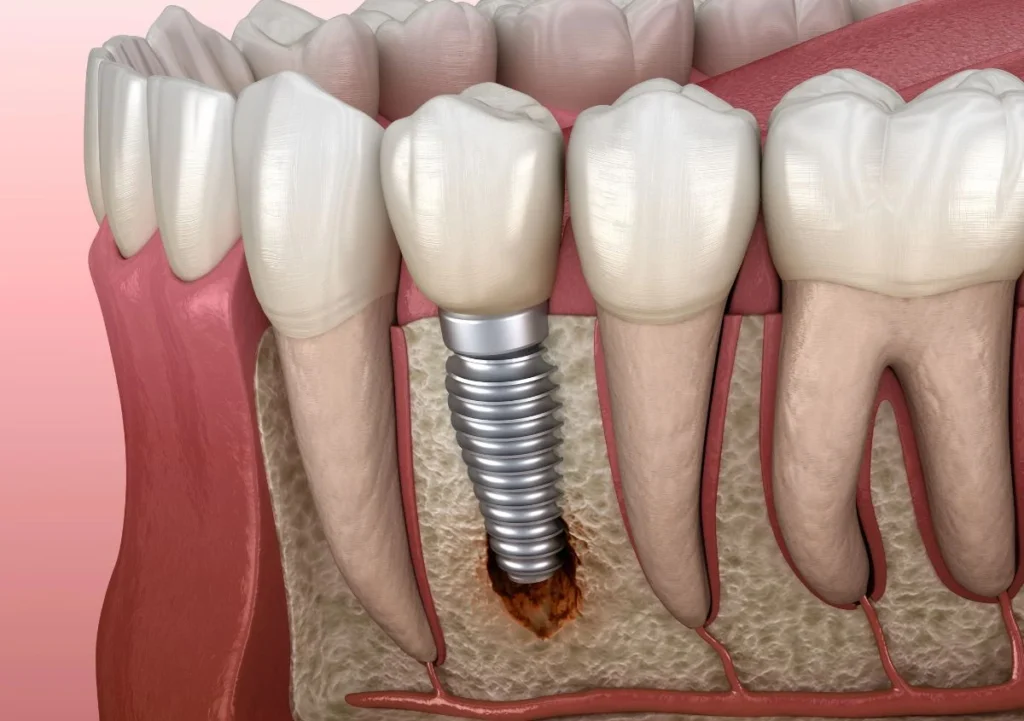
Digital dental x-rays for improved diagnostics, Also known as radiographs, digital x-rays use sensitive plates to capture data from a patient, which is immediately transferred to a computer screen for analysis. With the help of digital x-ray
technology, dentists can instantaneously spot issues like cysts, impacted teeth, cavities, tumors, and other oral problems.
While there are different types of digital x-rays (like panoramic and periapical x-rays), bitewing x-rays are the most common. These x-rays capture the entire crown, half of the tooth root, and the
tooth-supporting bone. These x-rays also help the dentist identify interproximal cavities and establish the progress of gum disease.

THE BENEFITS
Benefits of Digital X-Rays Digital X-Rays
If your dentist says you need a digital x-ray, you have nothing to worry about. These diagnostic tools are safe. Instead of causing harm, they help the dentist establish what’s happening inside your
body to treat you better. Digital x-rays offer many benefits, including:
- Generate super-detailed images
- Emit minimal amounts of radiation
- They are environment-friendly
- Generate instant results
- Facilitate easy access and storage of patients’ medical records
Has it been years since you had a dental x-ray in Covington, GA? A lot could be happening beneath your gum line without your knowledge. To have a complete picture of your dental health, please talk to Drs. Doreen Wilson and John Hendricks about dental x-rays in your upcoming dental exam at Covington Family Dentistry. Please dial (770) 787-2230 to book an appointment with Covington Family Dentistry for personalized dental care services.
WHAT WE CAN SEE
What Can Digital X-Rays Help Detect?
-
Cavities Between Teeth
Bitewing radiographs can help identify decay in areas between neighboring teeth that may be difficult to see directly.
-
Impacted or Developing Teeth
Radiographs can show teeth that have not erupted normally and help evaluate tooth development and position.
-
Tooth Roots & Surrounding Bone
Periapical and other images can help evaluate roots and supporting structures around individual teeth.
-
Bone Changes & Periodontal Findings
Dental imaging can provide information about bone levels and changes that may be associated with periodontal disease.
-
Other Hidden Findings
Depending on the image and clinical situation, X-rays may reveal cyst-like areas, jaw changes, or other findings that require further evaluation.

Digital X-rays are not ordered simply because a certain amount of time has passed. Your dentist considers your current oral health, age, disease risk, symptoms, previous images, and examination findings before recommending new radiographs. This individualized approach helps the dental team obtain the diagnostic information needed while avoiding unnecessary imaging.
PERSONALIZED DIAGNOSTICS
When Might You Need Dental X-Rays?
Your dentist may recommend X-rays when they are expected to provide information that will help diagnose, monitor, or plan treatment for a dental condition. You may not need an X-ray at every visit.
- You are a new patient and current diagnostic images are not available or do not provide the information needed.
- The dentist suspects cavities that cannot be fully evaluated during a visual examination.
- You have pain, swelling, trauma, or another symptom that requires evaluation beneath the surface.
- The dentist needs to evaluate tooth roots, bone, impacted teeth, periodontal changes, or a specific treatment area.
- Existing restorations, dental disease, or previous findings need to be monitored over time.
If it has been years since your last dental X-rays, that does not automatically mean you need new images. Drs. Doreen Wilson and John Hendricks can review your current needs and determine which, if any, dental X-rays are appropriate.

WHY CHOOSE COVINGTON FAMILY DENTISTRY?
Modern Diagnostic Technology with Personalized Care
Thoughtful Image Selection
We use your history, clinical findings, symptoms, and previous images to help determine which radiographs are needed.
Digital Diagnostic Technology
Digital imaging supports detailed evaluation without the film-processing workflow of traditional X-rays.
Compassionate, Family-Focused Care
Our team explains why an X-ray is recommended and helps make the imaging process straightforward and comfortable.
Complete Dental Evaluation
Radiographs are interpreted together with your examination and dental history so they support — rather than replace — clinical judgment.
PATIENT STORIES
What Our Patients Say
Digital dental X-rays are radiographic images captured electronically rather than on traditional film. They help your dentist evaluate teeth, roots, supporting bone, and other structures that may not be visible during a routine exam.
No. X-rays should be ordered when your dentist believes they will provide diagnostic information that is needed for your care. The decision depends on your dental history, current oral health, symptoms, disease risk, clinical findings, and previous images.
Dental X-rays use very low doses of radiation. Current recommendations emphasize taking radiographs only when clinically necessary and using modern techniques that limit exposure to the area being evaluated.
Bitewing radiographs are commonly used to evaluate the crowns of upper and lower teeth in the same area, look for cavities between teeth, and assess portions of the supporting bone.
Bitewings focus mainly on the crowns and spaces between teeth; periapical images show individual teeth from crown to root and surrounding bone; panoramic imaging provides a broader view of the jaws, teeth, and surrounding structures.
Sometimes. If previous images are available and still provide the diagnostic information your dentist needs, they may be reviewed before deciding whether additional X-rays are necessary.