PERMANENT TOOTH REPLACEMENT
TMJ Treatment
TMJ Treatment for a Healthy, Pain-free Smile
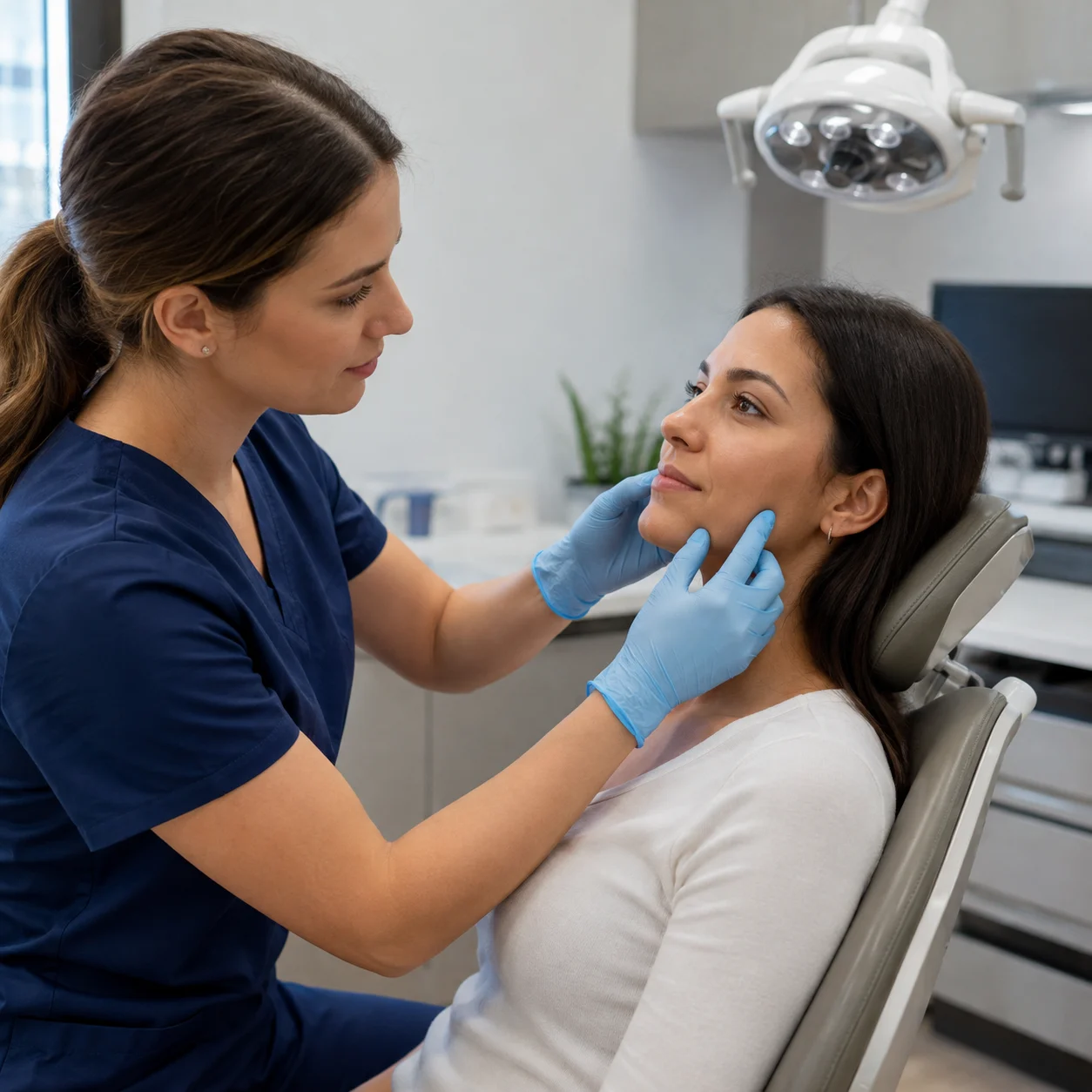
Do you experience constant headaches and jaw pain? Have difficulties opening and closing your mouth? You may have a TMJ-related disorder, and it’s time to book an appointment with Covington Family Dentistry for diagnosis and treatment. We offer natural remedies to treat chronic jaw pain.
RESTORE YOUR SMILE
What is TMJ Pain?
Without going into much scientific lingo, TMJ pain occurs when there is something wrong with your temporomandibular joints (TMJ). This hinge-like joint is situated on either side of the face and connects your lowerjaw to the skull. Your TMJ plays a vital role in helping your mouth open and close when talking, laughing, chewing, and yawning. When working optimally, you may not even notice you have TMJ. However, if your TMJ is inflamed or injured, you may experience numerous unpleasant signs, including:
- Frequent headaches and migraines
- Ringing in the ears (tinnitus)
- Swollen or tender jaws
- Pain around the face region
- Jaw pain
- Clicking sounds when opening and closing your jaws
- Locked jaws
- Sensitive or flat-looking teeth
TMJ pain closely mimics symptoms of migraines or tension headaches. We have seen many patients suffer from TMJ pain because of misdiagnosis. If you suspect TMJ disorder, please schedule an appointment with our dental team for long-lasting pain relief.

THE PROCESS
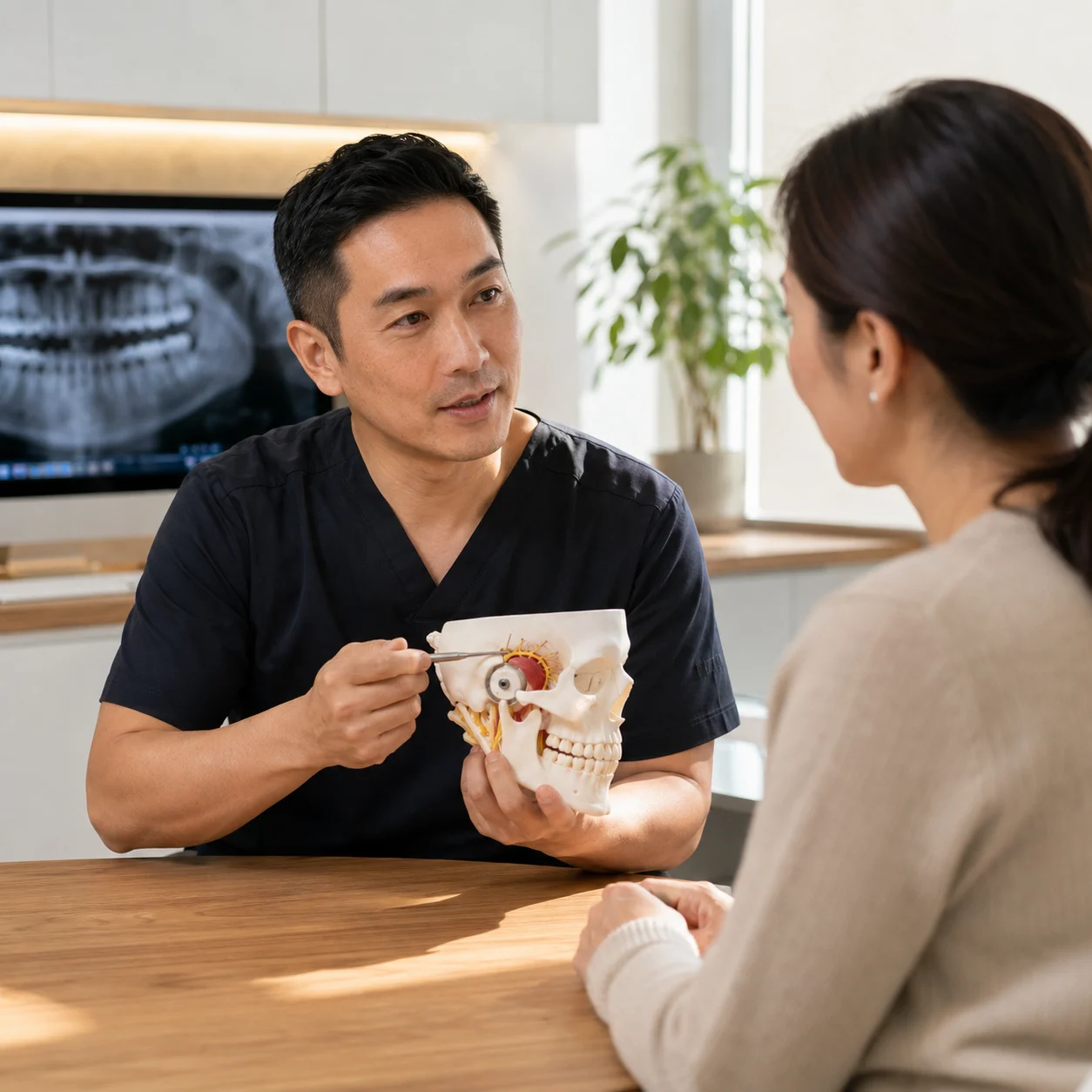
How TMJ / TMD Evaluation Works
START CONSERVATIVELY
Treating TMJ Pain with Conservative Remedies
-
Soft Diet During Flares
Temporarily choosing softer foods may reduce load on painful jaw muscles and joints.
-
Heat or Cold
Heat or cold can be used for symptom relief depending on what feels helpful and what your clinician recommends.
-
Jaw Exercises / Physical Therapy
Gentle stretching, strengthening, posture work, or physical therapy may be recommended for selected patients.
-
Habit Modification
Reducing clenching, gum chewing, nail biting, or other overuse habits can help some patients.
-
Short-Term Pain Relief
Over-the-counter pain medication may be appropriate for some patients if medically safe; medication decisions should consider health history.
-
Oral Appliance When Appropriate
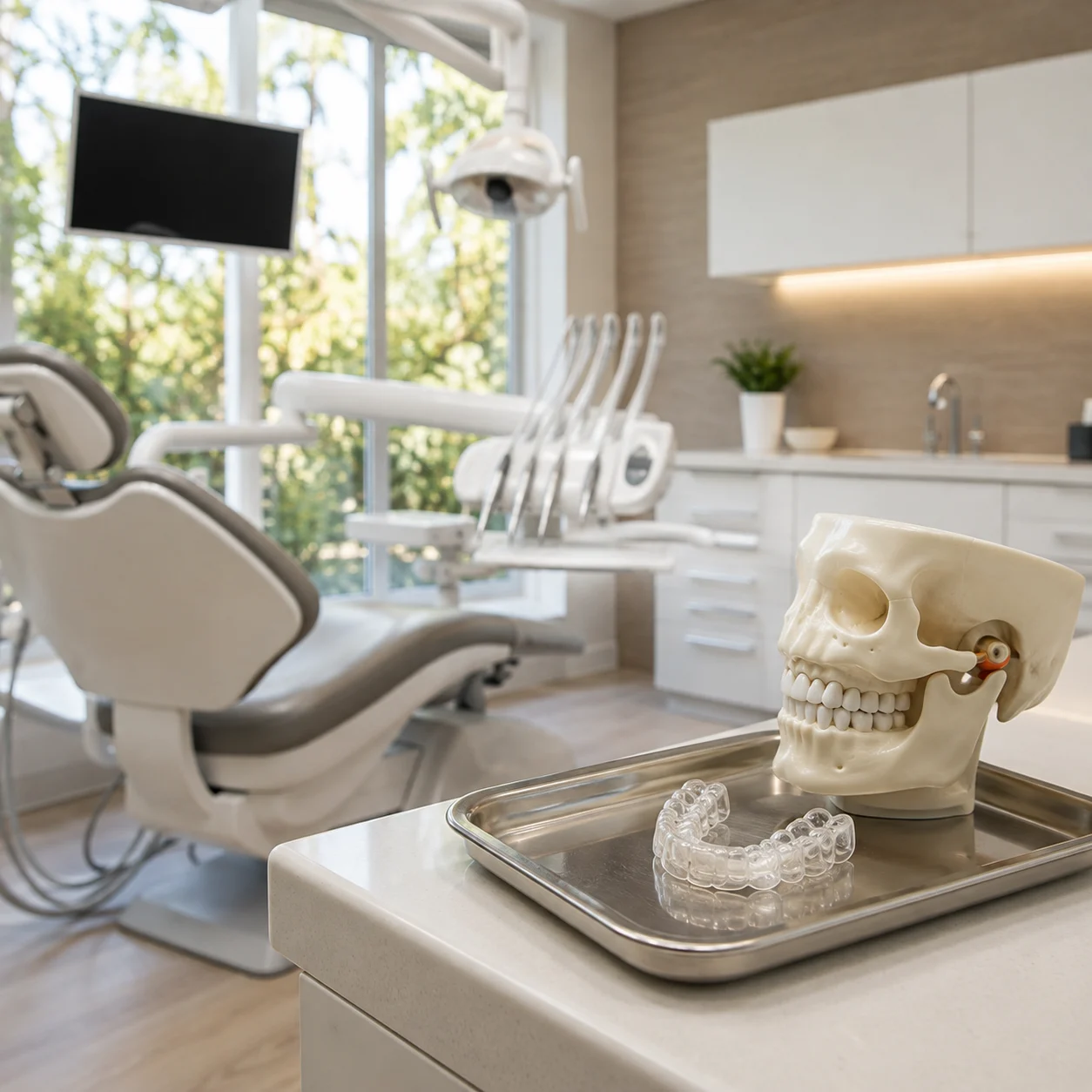
A stabilization splint or other appliance may be considered for selected patients, especially when clenching or grinding contributes to symptoms. It should not be presented as a guaranteed cure.
LESS IS OFTEN BEST
For many TMDs, conservative and reversible care should be tried before procedures that permanently change the teeth or bite. Treatment such as reshaping teeth, extensive crown work, or other irreversible bite-altering procedures should not be used routinely to treat TMD without a specific evidence-based indication.
WHEN TO SEEK CARE
When Should You Schedule a TMJ / TMD Evaluation?
- Jaw pain is persistent, recurrent, or interfering with eating or sleep.
- Your jaw locks or movement is becoming more limited.
- Clicking or popping is accompanied by pain or reduced function.
- You have significant clenching or grinding with jaw-muscle soreness or tooth wear.
- Symptoms began after trauma or are getting worse.
- You are unsure whether headaches, tooth pain, ear symptoms, or facial pain are dental, muscular, joint-related, or another condition.

WHY CHOOSE COVINGTON FAMILY DENTISTRY?
Diagnosis-First, Conservative Jaw Pain Care
Careful Evaluation
Symptoms are assessed before deciding whether they are likely to be joint, muscle, dental, or another problem.
Conservative First
Reversible approaches are prioritized when appropriate.
Compassionate, Family-Focused Care
The team explains options and realistic goals rather than promising a universal cure.
Referral When Needed
Complex joint disease, persistent pain, neurologic symptoms, trauma, or cases outside general dental management may require medical, physical-therapy, or specialist input.
PATIENT STORIES
What Our Patients Say
TMJ refers to the temporomandibular joint itself. TMD is the broader term for disorders involving the jaw joints, chewing muscles, and related tissues.
No. Joint sounds without pain or limitation are common and may not need treatment. Evaluation is more important when clicking is painful, new, associated with locking, or affects function.
Clenching or grinding can contribute to muscle soreness, tooth wear, and jaw symptoms in some patients, but TMD has many possible causes and should not be reduced to one explanation.
An oral appliance may help selected patients, but it is not a universal cure. The appliance type and goals should be based on diagnosis and monitored over time.
Simple reversible measures such as soft foods during flares, heat or cold, self-management, gentle exercises or physical therapy, habit reduction, and appropriate short-term medication are often considered before irreversible procedures.
Persistent or severe pain, trauma, neurologic symptoms, suspected systemic joint disease, unexplained ear or headache symptoms, or complex joint dysfunction may require coordinated care with another medical or dental specialist.
Related Articles
TMJ / Jaw Pain Related Resources
Temporomandibular joint disorder is described as a jaw condition that can cause unwanted pain and discomfort for those who have it. At…

If you’re one of the millions of people who experience nighttime teeth grinding and jaw clenching, you may be able to find…