
PERIODONTAL CARE
Periodontal Care
Protect your gums, support your teeth, and restore your oral health with personalized periodontal care in Covington, GA.
Protecting your gums is an important part of protecting your teeth and overall smile. Periodontal care focuses on preventing, identifying, and treating gum disease.
GUM HEALTH
Understanding the Development and Treatment of Periodontal Disease
You can’t have healthy teeth with unhealthy gums. Your gums protect and support your teeth, so you can’t neglect them if you want a beautiful, healthy smile. While your gums may not be the stars of your smile, they deserve the same care you give your teeth. Proper dental care at home can help combat gum disease, but if it develops, periodontal care from Covington Family Dentistry can restore your dental health to its usual best.

THE PROCESS
How does gum disease develop?
While genetics and certain medical conditions may put you at risk of gum disease, poor oral hygiene is the root cause of gum disease. Poor dental hygiene leaves food particles in your mouth, and when they mix with saliva, it leads to the formation of a clear film of bacteria (plaque) which causes gingivitis — an early form of gum disease.
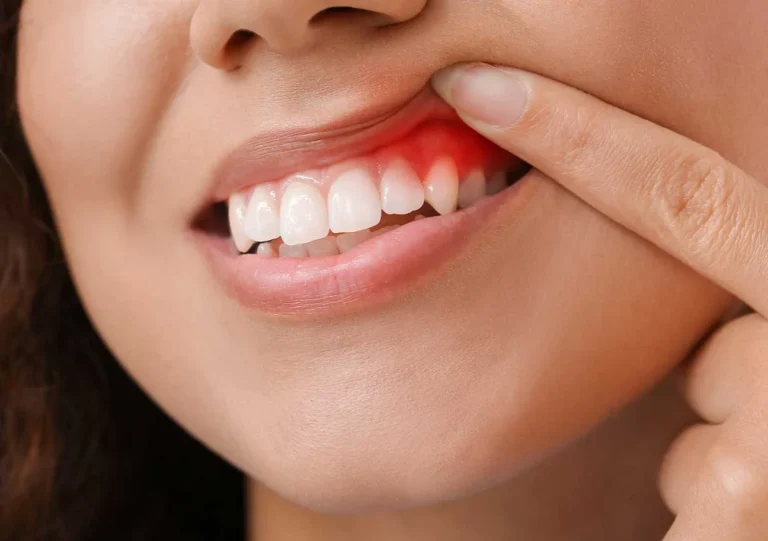
The early symptoms of gum disease include:
- Red or swollen gums
- Bleeding gums when brushing or flossing your teeth
- Tender gums
If plaque isn’t removed, it advances to tartar, which requires the help of a dentist to eliminate. You may think you have enough time before plaque hardens into tartar, but this happens in less than 72 hours!
Tartar develops below the gum line and causes an advanced form of gum disease called periodontitis. At this stage, the infection is beyond your gums, and common symptoms may include:
- Chronic bad breath
- Loose teeth
- Painful chewing
- Receding gums
Change in the way your teeth fit together when chewing

Periodontal Evaluation
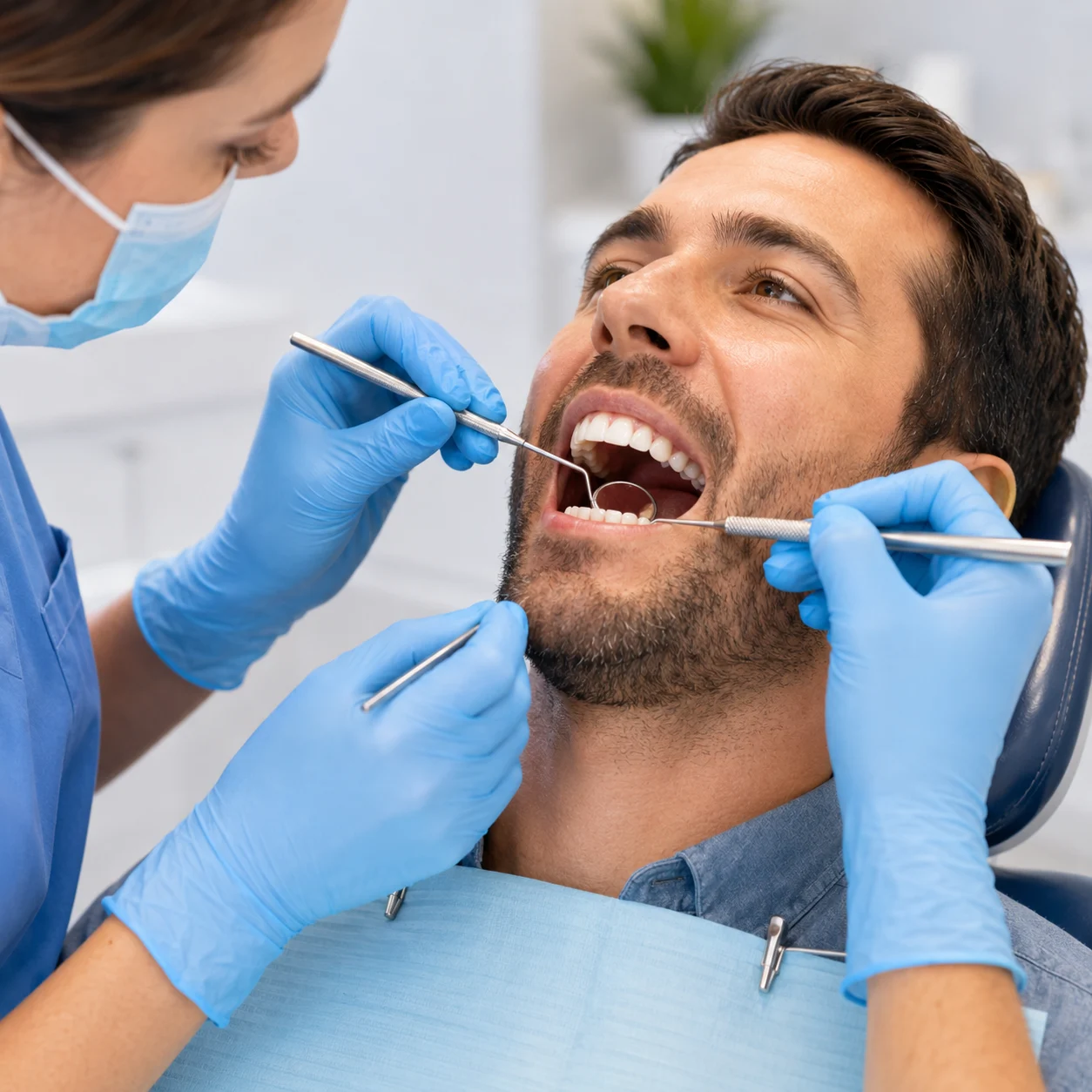
We examine the gums, measure periodontal pockets, note recession or bleeding, and review supporting structures.

Diagnosis
We determine whether the findings are consistent with gingivitis, periodontitis, or another gum condition.

Personalized Treatment Plan
Care may include professional cleaning, scaling and root planing, periodontal maintenance, or referral for additional periodontal treatment.

Active Treatment
The recommended treatment is completed with a focus on controlling bacterial deposits and inflammation.

Maintenance & Monitoring
We reassess gum health and establish an ongoing maintenance interval based on disease risk and response to treatment.
Treatment
Treating Gum Disease
While gum disease is a severe condition, Drs. Doreen Wilson and John Hendricks can help bring your smile back to health. We encourage our patients to seek treatment immediately when they spot gum disease signs. The early form of gum disease can be reversed with at-home dental care and routine dental cleanings.
However, if you have mild gum disease, you need further intervention. Scaling removes plaque and tartar beneath your gum line to stop the infection. A dentist can perform this procedure using instruments, a laser, or an ultrasonic device. Root planing smooths out tooth roots to prevent the build-up of the infection. We may combine deep teeth cleaning with topical or oral antibiotics to manage the condition.
If the infection has spread to your jawbone and other tooth-supporting structures, we recommend laser surgery and grafting to restore your smile.

Features
Benefits of Periodontal Care

Control Gum Inflammation
Professional periodontal care targets plaque, tartar, and inflammation affecting the gum tissues.

Protect Tooth Support
Managing periodontitis helps protect the tissues and bone that support the teeth.

Reduce Tooth-Loss Risk
Advanced periodontal disease can contribute to tooth mobility and loss, making ongoing management important.
Improve Cleanability
Healthier gum tissues can make daily brushing and interdental cleaning easier and more effective.
Personalized Maintenance
Follow-up frequency is based on your periodontal condition rather than a routine one-size-fits-all schedule.

Support Overall Oral Health
Periodontal care is an important part of maintaining the mouth and keeping natural teeth functional.
WARNING SIGNS
Signs You May Need Periodontal Care
-
Bleeding Gums
Gums that bleed easily during brushing or flossing can be an early sign of inflammation.
-
Red, Swollen or Tender Gums
Persistent redness, puffiness, or tenderness may indicate active gum inflammation.
-
Receding Gums
Gum recession can expose more of the tooth or root surface and may be associated with periodontal or other factors.
-
Persistent Bad Breath
Ongoing bad breath or a bad taste can be associated with gum disease and other oral conditions.
-
Loose or Shifting Teeth
Changes in tooth stability or spacing can occur when supporting tissues are damaged.
-
Changes in Your Bite
Changes in Your Bite

Candidacy
When Should You Schedule a Gum Health Evaluation?
Schedule a periodontal evaluation if you notice ongoing gum symptoms, have been told you need a deep cleaning, or have a history of periodontal disease.
- Your gums bleed frequently.
- You notice persistent swelling, tenderness, or recession.
- You have chronic bad breath that does not improve with normal oral hygiene.
- A tooth feels loose or has shifted position.
- You have a history of periodontitis and are due for periodontal maintenance

Why Choose Us
Why Choose Covington Family Dentistry for Gum Care?
Thorough Evaluation
We assess pocket depths, gum recession, bleeding, tooth mobility, tartar, and supporting structures before recommending care.
Personalized Treatment
The type and frequency of periodontal care are based on your condition rather than a standard cleaning schedule.
Compassionate, Family-Focused Care
We explain periodontal findings clearly and help you move through treatment without judgment.
Home-Care Coaching
We show you techniques and tools that can make plaque control more effective between professional
PATIENT STORIES
What Our Patients Say
FREQUENTLY ASKED QUESTIONS
Emergency Dental Care FAQs
Common signs can include bleeding or swollen gums, tenderness, bad breath, gum recession, loose teeth, or changes in the way your teeth fit together.
Scaling removes plaque and tartar from around and below the gum line. Root planing smooths the tooth roots as part of periodontal treatment.
The legacy page explains that early gum disease may improve with better home care and routine professional dental cleanings.
If you notice bleeding, swelling, tenderness, recession, persistent bad breath, loose teeth, or other gum-disease signs, contact the dental office for an evaluation.
The legacy page describes about two weeks for laboratory fabrication followed by placement. Actual timing varies with records, laboratory workflow, preparation, adjustments, and scheduling.
Brush, clean between teeth, attend regular dental visits, avoid biting hard objects, and follow any bite-protection recommendations from your dentist.
Related Articles
Related Periodontal Care Resources
Gum disease can rob you of your smile, as well as your overall health. If it’s not brought under control, it can…